



What’s the Difference: Piano Tuning vs. Piano Maintenance/Repair
What’s the Difference: Tuning vs. Repair/Restoration
Question: “I am considering purchasing an old piano I found online. The owner says it is in good shape, but it needs tuned. Do you think it will need more than that, or by tuning do they mean restoration or repairs as well?”This is a question we hear quite a bit from people who have questions regarding the purchase of a piano. The term ‘tuning’ seems to have become a catch-all definition for work done on a piano. It often gets confused with work that would fall under restoration, basic maintenance, or repairs. Often, pianos that ‘just need tuning’ require much more work than that to even make them playable. To understand the difference between tuning and piano repair/restoration it is good to know the definitions.
What is Piano Tuning?
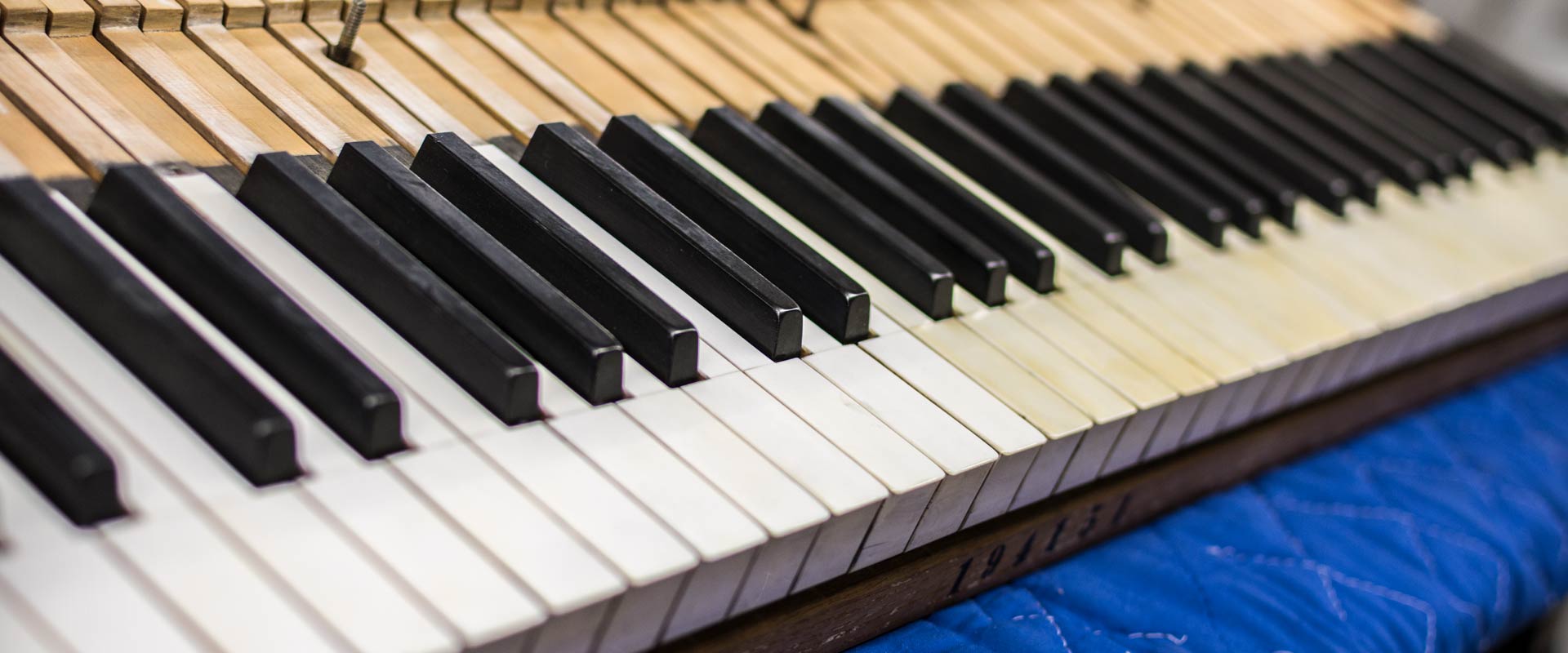
Piano tuning describes the process of altering string tension in a piano to subtly adjust the sound wave’s frequency. The end result of tuning a piano is to create an optimal playing experience, ensure the piano is at the correct pitch and eliminates unwanted ‘waves' in the tone. The act of tuning a piano relies on making small adjustments to individual string tension. This allows the tuner to align the intervals between the tones. This is usually done around the universal pitch of A440. Utilizing a tuning wrench/hammer, a tuner skillfully adjusts each string. Attached to hitch pins near the tail of the piano and finely threaded tuning pins at the front, there are over 200 individually strung strings inside each grand piano. It is important to note that tuning a piano does not repair any mechanical or structural issues your piano may have, so if the piano refuses to stay in tune or there are other mechanical or structural issues, repair or restoration work would need to be done to correct that. The number of times a piano should be tuned each year can vary on the amount the instrument is played and the environment the piano lives in. [Humidity control devices such as the Dampp Chaser Piano Life Saver System can extend the tuning stability of a piano.] The dawn of piano tuning as a career coincided with the increasing popularity of pianos during the mid-1800s. The 'golden age' of piano building saw the piano industry become one of the highest tech manufacturing industries in the world. [It is important to note that not every person who can tune, is qualified as a piano technician.]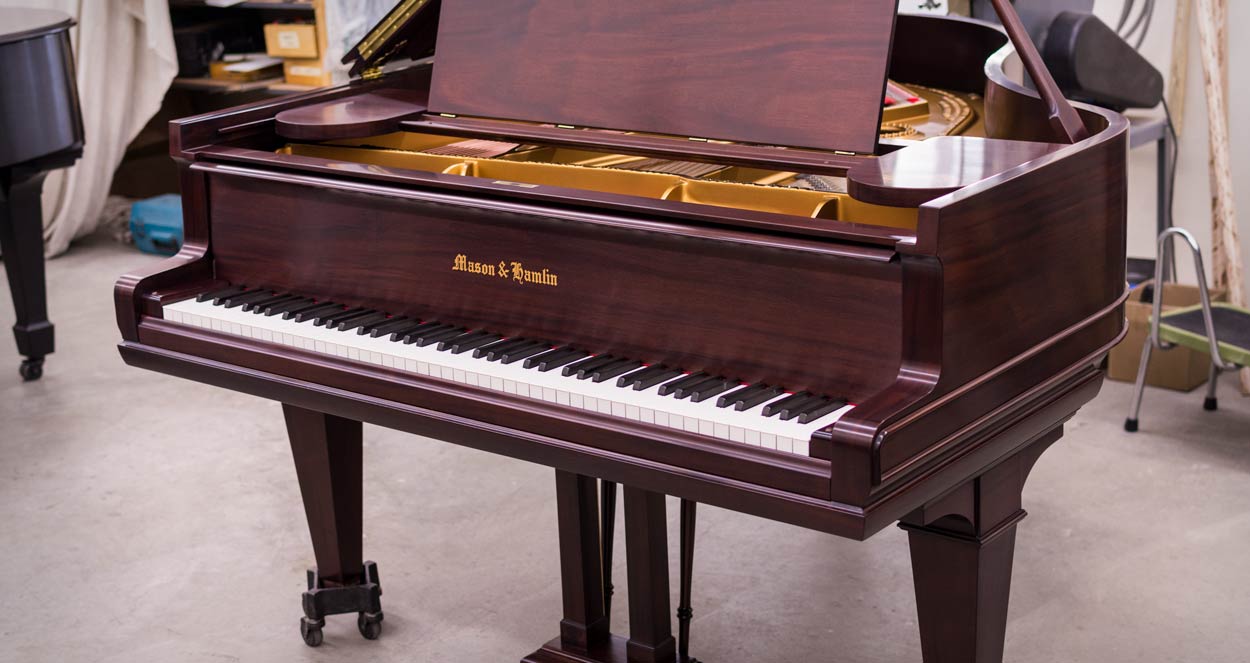
Mason & Hamlin Model A Piano Restoration | Before & After
Mason & Hamlin Model A Grand Piano #21946 | Photos
Along with Steinway & Sons, the Mason & Hamlin piano company continues to be one of the few golden era piano makers still in the business today. New and used Mason & Hamlin instruments are favorites of many pianists and continue in popularity around the world. We recently rebuilt Mason & Hamlin Model A #21946 for a private client in Richmond, Indiana. Completed in 1913 at the Boston, MA factory, this piano is a great example of historic Mason & Hamlin quality. Historic Mason & Hamlin Model A Grand Pianos measure 5'8" in length and are considiered to be one of the finest pianos ever made under 6'. The client visited our shop and selected Model A #21946 for restoration.The Restoration Process | Before & After
Once selected for restoration, our team of piano technicians and rebuilders went to work. The belly of the piano was fully restored. The cast iron plate's original finish was removed and it was sanded, puttied and re-bronzed. Raised lettering on the plate was hand detailed. Made of solid spruce, the original soundboard and bridges were repaired and refinished and a new soundboard logo was affixed to the center. New copper wound bass strings along with high quality music wire was installed to new, blued tuning pins. Proper bearing was set which allows for optimum soundboard efficiency. A new custom fitted pinblock was fabricated and installed. Dozens of plate screws and bolts were re-plated and the aliquots were polished.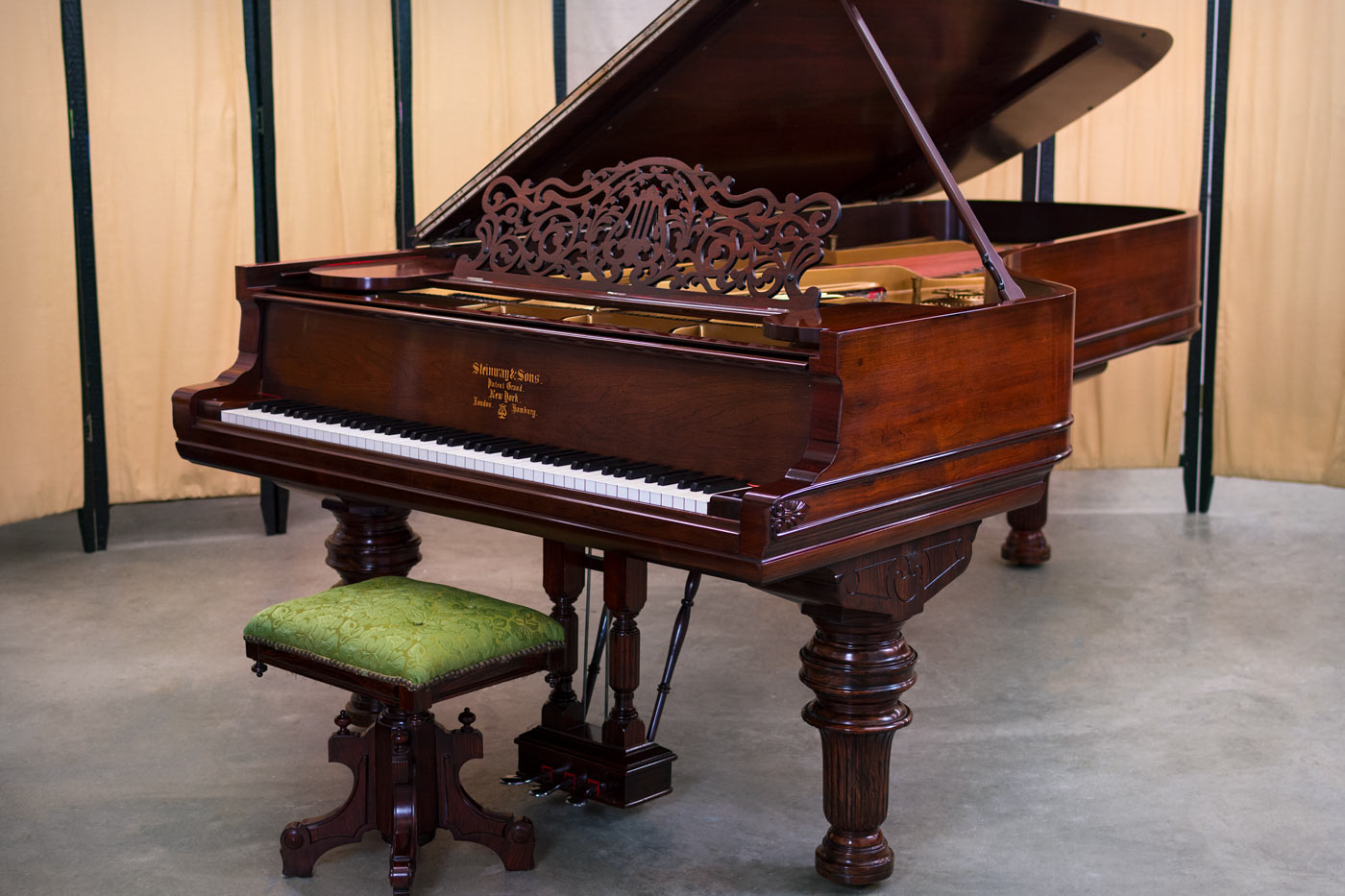
History of Art Case Steinway Model D Grand Piano #52626
Steinway Model D Grand Piano #52626 | A Beautiful Past For A Beautiful Piano
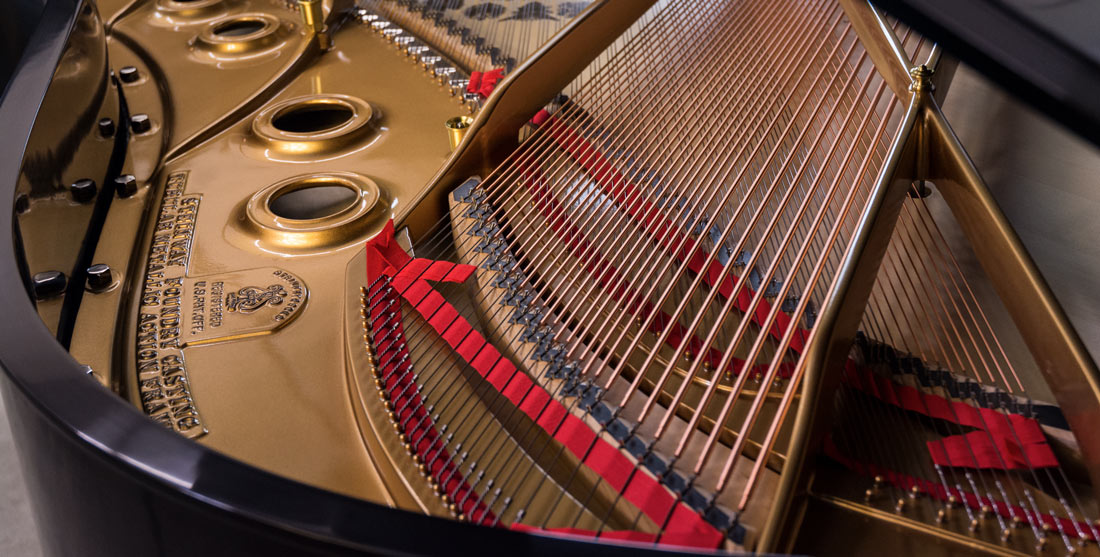
There’s an old saying, “If these walls could talk, they’d tell you a story or two.” A concert grand piano from Steinway & Sons will last for generations and over time they accumulate a rich and beautiful history. As one of the greatest piano manufacturers in the world, Steinway pianos are used in venues and by musicians across the globe. Over time, these pianos will see their fair share of usage, and pass through many hands. At Chupp’s Piano Service, we specialize in restoring these beautiful pianos back to playing perfection, and today, we want to shine a little spotlight on a beautiful piano that we are proud to feature - Steinway Model D Grand Piano #52626.The Origin of the Modern Concert Grand
In 1884, a major step forward occurred in the development of the mature concert grand piano- the Model D. The then new Model D was designed and created by incredibly talented craftsman C.F. Theodore Steinway. This new design was the first Steinway Grand to feature a double cupola plate. It featured a 20 note bass section, was overstrung, had a continuous soundboard bridge, and a bent rim case construction. These pianos featured agraffes from notes 1-35 and a capo d’astro bar from notes 36-88. Measuring 8’10” in length with 7 ¼ octaves, these pianos are an essential piece of the piano development puzzle.“Style D has an entirely new interior construction with double cupola steel frame and continuous ring bridge. The improvement in power and sonority of tone is simply marvelous.” – William Steinway, September 1, 1884.
Refinished vs. Refurbished vs. Restored Pianos
Refinished vs. Refurbished vs. Restored Pianos | What’s the Difference?
Question: "I am looking to purchase a piano. As I've gone through various websites I've noticed the terms 'restored', 'refurbished' and 'refinished.' What is the difference between these terms?"
With numerous individuals and businesses within the worldwide piano industry, the terms ‘restored’ or ‘refurbished’ gets thrown around quite a bit. This can lead to a bit of confusion over the actual condition of the piano in question and what each term actually means. We can’t speak for other businesses or piano technicians, however below you will find the definitions we use for these various terms.
Piano Refinishing
Cosmetic Restoration: The refinishing of a piano is purely cosmetic. This is done to refresh the instrument and return a like new look and feel to the exterior of the piano cabinet. When we refinish a piano we utilize the finest materials and workmanship to ensure a premium, like new finish. We utilize closed pore, hand rubbed lacquer finishes over the quicker sprayed-only method. This ensures a finish with optimum clarity and one that is more easily repairable in the future. [Read more about the piano refinishing process.] Refinishing the piano cabinet is a normal part of our extensive piano restoration process. We may also refinish a piano that is in very good mechanical and interior condition but needs to be cosmetically refreshed to make it retail ready. Often refinishing will also be coupled with the refurbishing of a piano. Although it does not affect the actual mechanical function of the piano, obviously aesthetics count toward your overall enjoyment and the value of the piano.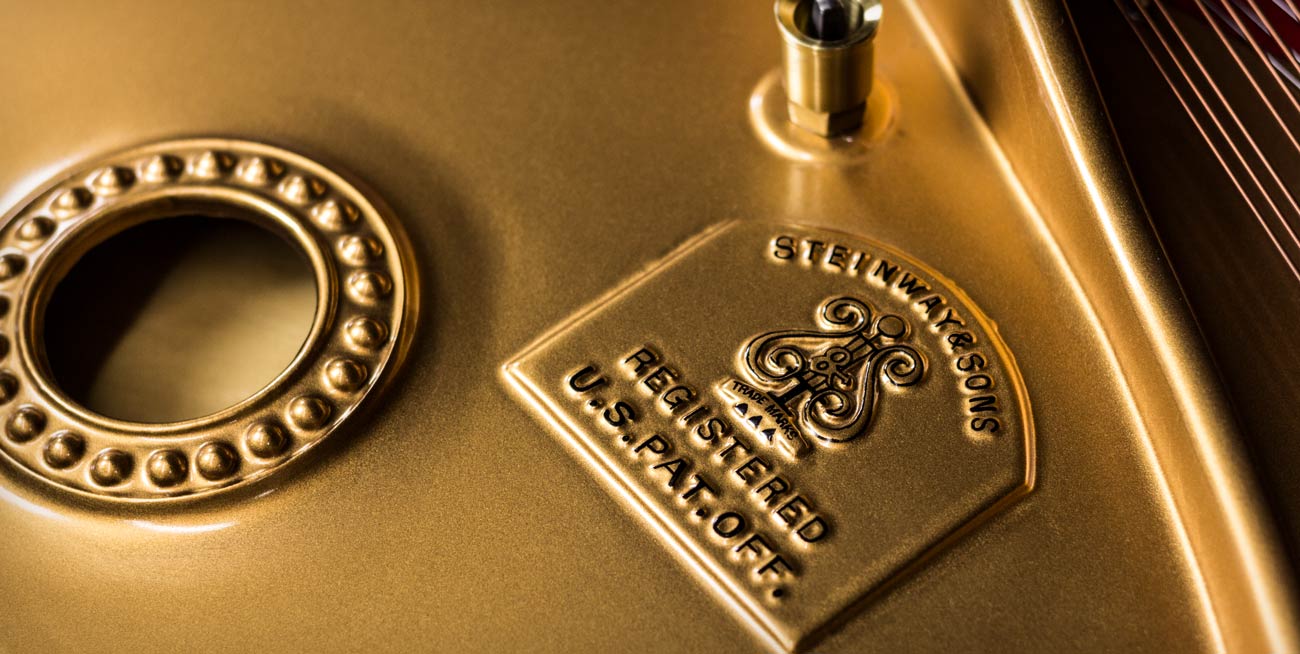
Steinway Artist John Mortensen of Cedarville University Selects Instruments from Chupp’s Pianos
Dr. Mortensen on his experience with Chupp's Piano Service

Chupp's Piano Service regularly gets the opportunity to work with top University music programs and faculty. We recently completed delivery of several premium, fully restored Steinway Grand Pianos to Cedarville University in Cedarville, Ohio. This included a rare Steinway Model C, a Steinway Model L and a concert level Steinway Model D Grand Piano for the University's performance hall. [Which appropriately enough, features a soundboard made of unique Western Red Cedar.]
Dr. John Mortensen oversees the over 60 pianos utilized by the music department. An incredibly accomplished pianist, academic and overall musician, Dr. Mortensen is also an official International Steinway Artist. His writings appear in International Piano, Clavier, College Music Symposium, Piano Pedagogy Forum, and American Music Teacher. He was kind enough to write the following testimonial about his experience working with us to secure top quality instruments for the university.
The Steinway is the finest piano in the world, deserving not only elite artists to play it but also elite technicians to care for it. Dennis Chupp is just such a craftsman. A Master Technician trained at the Steinway Factory in New York, he received personal coaching from former Steinway head Service Technician Fred Drasche and has collaborated with the nation's leaders in the field of piano technology. His company, Chupp's Piano Service, specializes in re-manufacturing and repair of vintage pianos, bringing glorious new life to instruments which had fallen silent through the ravages of age, damage and neglect.
Cracked Pinblock | Grand Piano Pinblock Restoration
Vintage Mason & Hamlin Grand Piano Rebuilding Project | Delaminated Pinblock
As you can see in the photo, it is time for a new pinblock. The original pinblock inside of this Mason & Hamlin Model AA Grand Piano has definitely seen better days. The wood lamimations have begun to separate and crack which results in very loose tuning pins and a lack of stability. The tuning pin holes have become enlarged from decades of stress. At this point, a new pinblock is very much needed. When this part of the piano restoration process is required, we custom fit the new pinblock to the specific piano. This is essential for both the structual and tuning stability of the instrument. The good news is that the piano overall is in very good condition and we look forward to completing this fine, golden era instrument. [Vintage Mason AA Grands measure 6'2" in length and are considered some of the finest pianos under 7' that were ever built.]
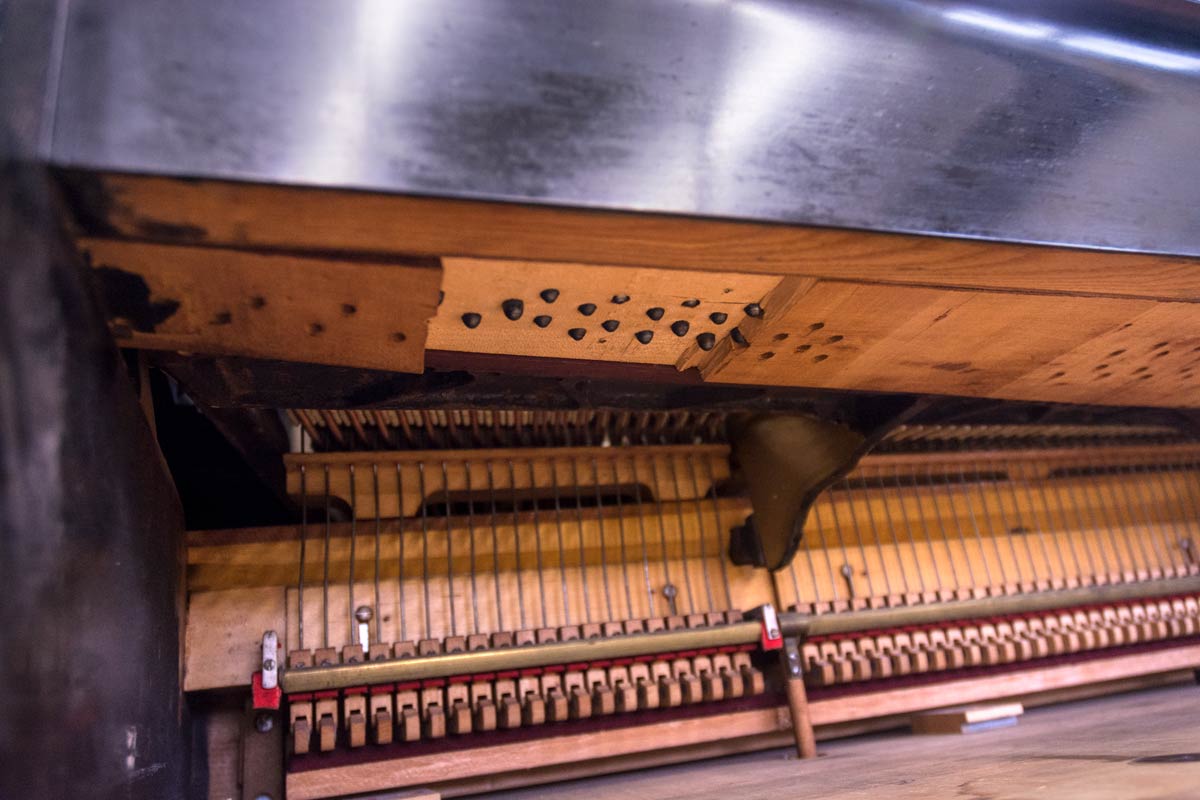 Mason & Hamlin AA | Cracked Pinblock
VIDEO: The Story of a Steinway Grand Piano Restoration
A Look At The Steinway Piano Rebuilding Process
A little over a year ago we released the short documentary "The Garage Piano: The Story of a Steinway." Since then it has been viewed well over 10,000 times on Facebook and YouTube. This production details just some of the extensive work that goes into each one of our fully rebuilt Steinway pianos. If you haven't seen it yet, be sure to take the time to learn a bit more about the piano rebuilding process.This is the story of the restoration of a Steinway & Sons Grand Piano. This instrument was left alone and neglected in a garage for over 20 years. This short documentary follows the rebuilding process and tells the story of the piano's full restoration and rebirth. From cosmetic details like replacing the keytops to extensively restoring the piano action and refinishing the satin ebony cabinet, this piano documentary shows the work that goes into returning a vintage New York Steinway to its former glory. The art of piano rebuilding is truly art you can feel!
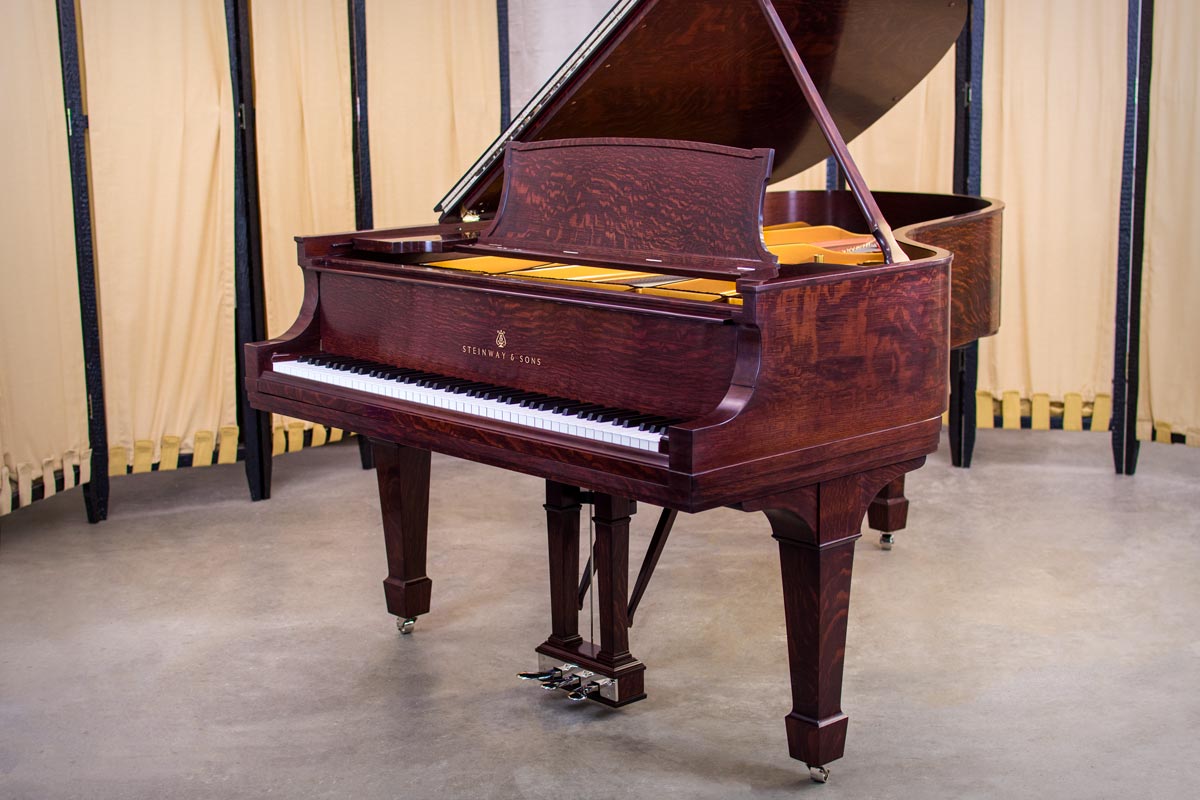
Featured Piano: 1917 Steinway Model A3 ‘Stretch A’ Grand Piano
Fully Rebuilt Steinway Model A3 Grand Piano | Very Rare Quarter Sawn Oak
The golden era of piano manufacturing saw high quality and continued innovation become the standard within the industry. Over 300 piano manufacturers in the United States alone competed to craft the best pianos possible. One of the most unique and well designed instruments during this period was the Steinway Model A-3 Grand Piano. These 6' 4 1/2" grand pianos are some of the finest pianos ever produced by the Steinway & Sons Company. Steinway Model A3 #188826 was built in 1917, during the peak of the company's golden era. This particular instrument is special not just for its amazingly well crafted scale design but for its rare cabinet woodwork as well. This piano features a very rare and unique quarter sawn oak cabinet. Used extensively in the past it is more labor intensive and expensive to produced. It is quite rare to find Steinway grand pianos with this desirable grain pattern.A Rare Favorite
The Steinway Model A-3 has long been a favorite scale design of piano technicians and professional musicians. Discontinued in 1945 due to the competition it created for the larger and pricier Steinway Model B, the Model A-3 is a rare instrument well deserving of the respect it receives. The Model A-3 has become one of our favorite Steinway scale designs and we are proud to feature several of these vintage instruments in our facilities today.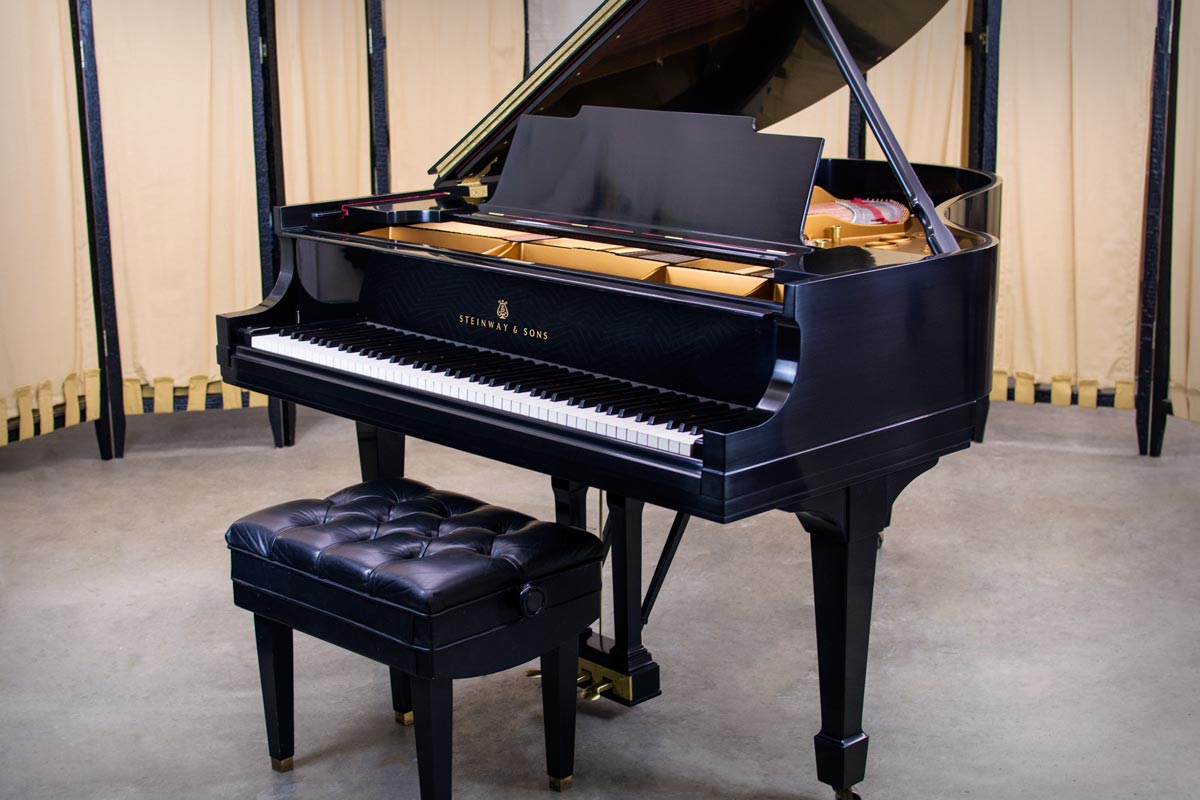
Featured Piano: 1927 Steinway Model M ‘Baby Grand’ Piano
Fully Rebuilt Steinway Model M | Fine Restored Pianos for Sale
The pre-WWII era of piano manufacturing saw the growing American industry reach its height in both size and quality. This golden age of piano manufacturing saw incredible quality and innovation become the standard as hundreds of makers competed for the hearts (and wallets) of a piano loving public. Into this era of craftsmanship Steinway Model M #250775 was born. Built in 1927 at the New York Steinway & Sons factory, this 5'7" instrument features an overstrung scale designed by Henry Ziegler. Scaled down from the larger Model O, this instrument was originally designed to give the public a smaller option in Steinway's lineup of grand pianos. Until the introduction of the 5'1" Model S, the Model M was the smallest grand piano that Steinway produced.
IN THE NEWS: Chupp’s Restores Historic Baldwin Piano for Elkhart, Indiana Museum
Chupp's Piano Service Restores Historic Baldwin Grand Piano
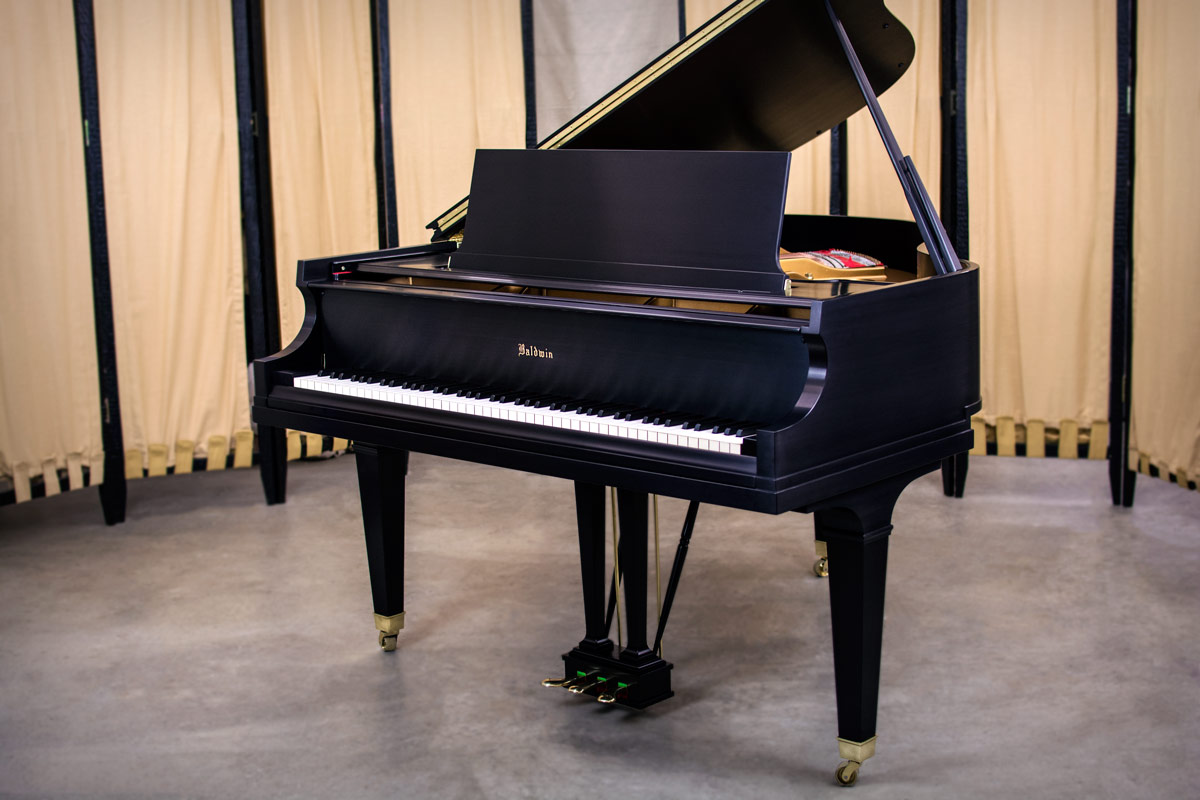
ELKHART - "A community is the sum of its shared history, so in an age when information is created, shared, has trended and is forgotten in a matter of minutes, museums represent something different.
“What makes local history important is that people who are living in the community today — that they understand what the roots of their community are all about, and it's very distinct from one community to the next,” Bill Firstenberger, executive director of Ruthmere Museums Campus, said in an interview. “We're a place that reminds the residents and visitors to our community what we’re all about: both good and bad, but hopefully mostly good.”
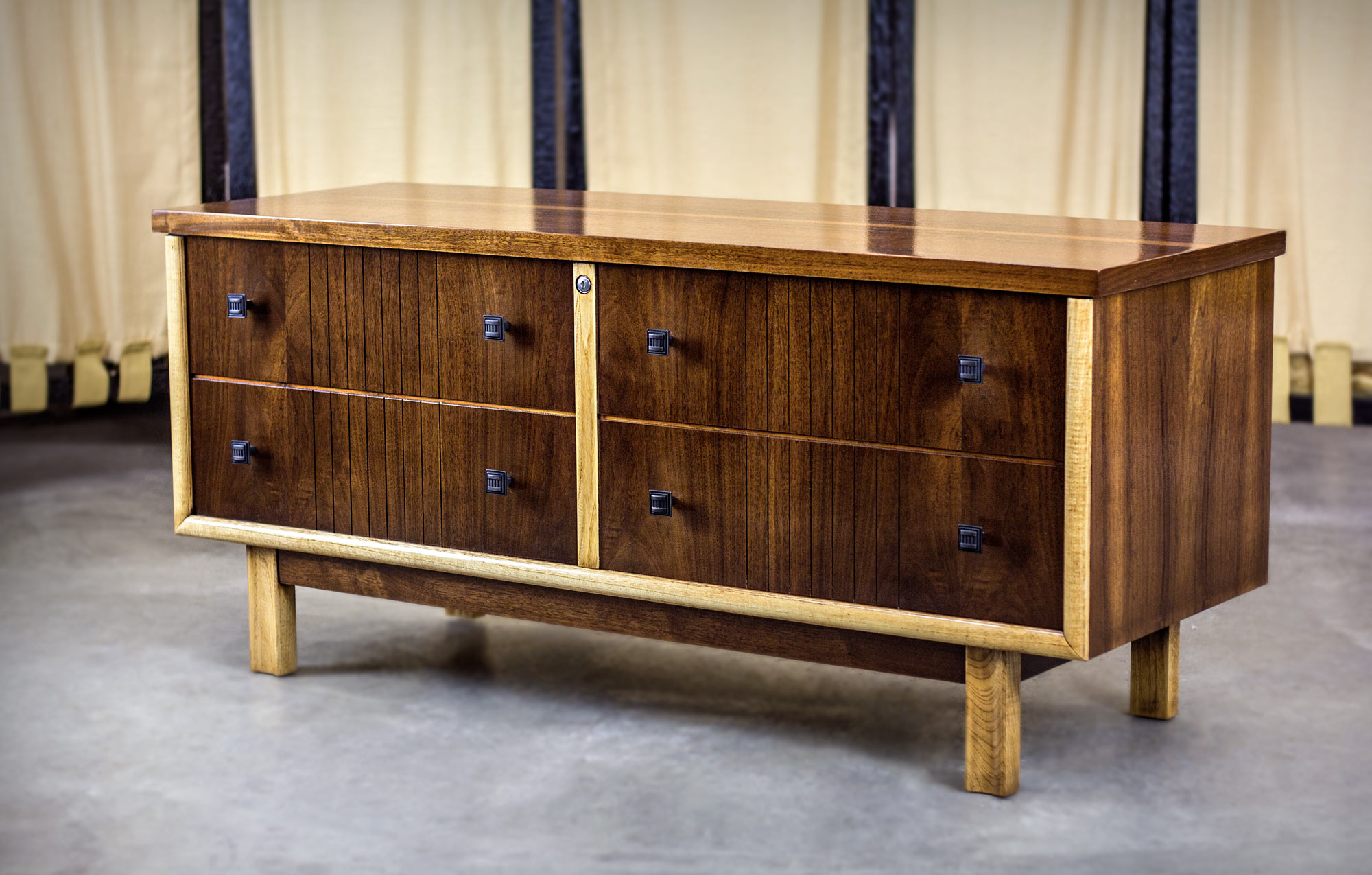
A Personal Project | Restored Lane Cedar Chest
The Restoration of a Lane Cedar Chest
Every once in a while, it is good to complete a personal project for yourself. Kyle recently dug a vintage 1959 mid century modern Lane cedar chest out of a barn. Lane was America's leading manufacturer of cedar chests beginning in 1912. This chest is a style 1703-50 and features a walnut cabinet with light ash trim. The serial number of 951280 indicates a manufacturing date of 1959. Unfortunately, this cedar chest had seen better days. The old yellowed varnish was stripped and the loose veneer was repaired and then sanded. The entire piece was resprayed in a beautiful semi-gloss finish. Some of the ash trim pieces had fallen off and had become damaged over its years in the barn, so those pieces were carefully repaired and affixed back in place. Kyle and Tim decided to not stain the light trim pieces and leave them in their natural coloring. The original faux drawer pulls were either missing or in bad shape. In any case, they wouldn't do. New knobs were added that fit the modern styling of the cabinet much better than the originals. The chest lock was removed and decades of gunk and corrosion were polished away.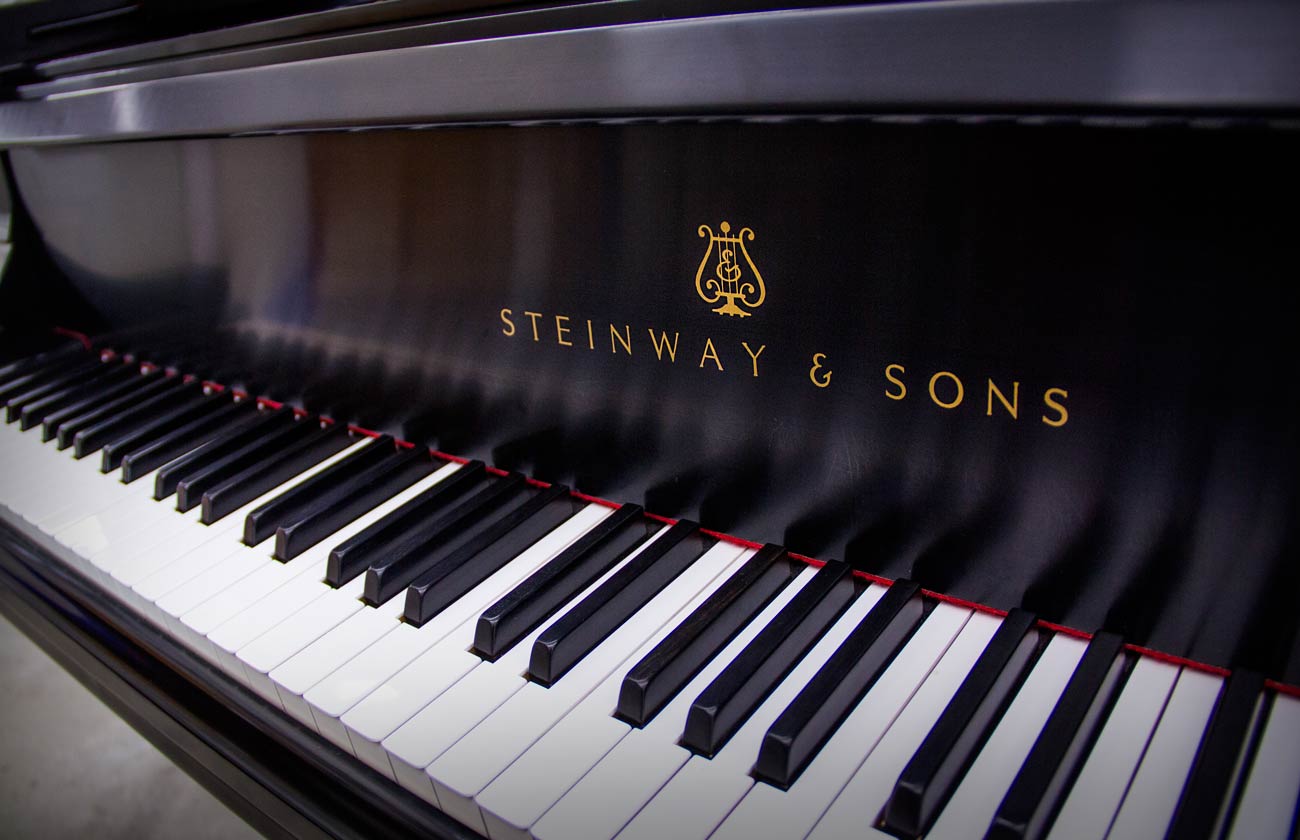
A Unique Steinway Model D Grand Piano
Model D #269017 | A Unique Steinway Piano
In the early 1980s, I had a long conversation with Fred Drasche the former head service technician at Steinway. As we discussed the history of Steinway and their instruments, he told me that around 1950, Steinway produced two Model D grand pianos with Western Red Cedar soundboards. The red cedar was used in place of the regular spruce soundboards. His words were "those were two of the best sounding Steinway Ds I ever heard." For many years, we here at Chupp's Pianos wanted to install a western red cedar soundboard. This goal was something which we were finally able to accomplish recently! Out of five pianos in which we installed western red cedar soundboards, Steinway Model D #269017 is the most powerful of them all. Some of the finest acoustic guitars incorporate western red cedar tops to obtain optimal tonal quality so utilizing this material in musical instruments is not uncommon. Attached is a link to more information about the piano and photos are embedded below.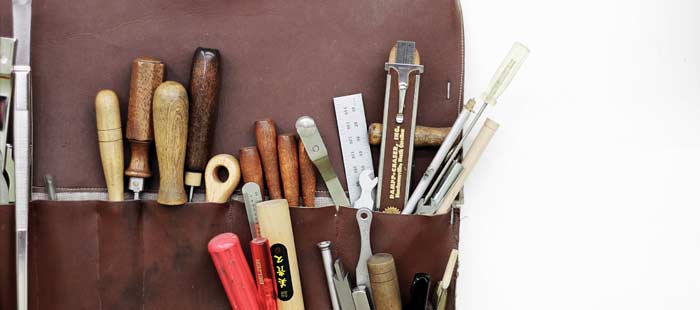
Schools Need to Have Pianos Restored Too!
Schools Need to Have Pianos Restored Too - Full Potential - Affordable Price
It is common for music-based and regular schools alike to have pianos that need to be restored. Often times, schools have pianos that are not performing at their full potential. Pianos in schools are typically used regularly and are often neglected wherein the instruments gradually lose their sound quality. The consistent, frequent playing on these pianos results in wear that many home pianos never see. Playing music on a piano that needs to be restored is not a pleasant experience, as the piano simply will not produce the rich, full sound that it could. When a piano inside a school is working as it should, everyone using the instrument and listening to it will have a rewarding and enjoyable experience.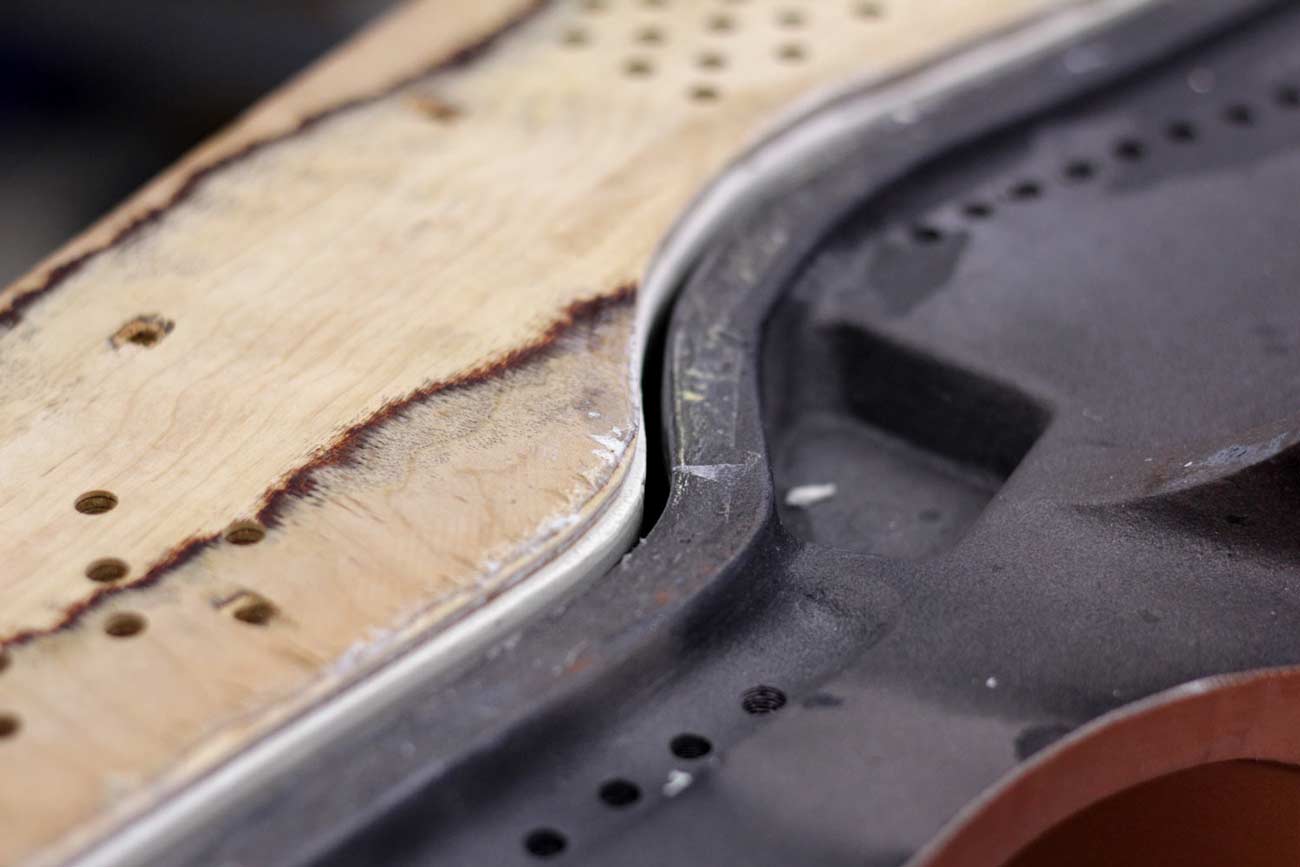
Young Chang Pinblock Problems – How We Fix It
Chupp’s Restores Steinway Piano for Cheyenne Civic Center
Cheyenne Civic Center's Piano Ready for Upcoming Shows:
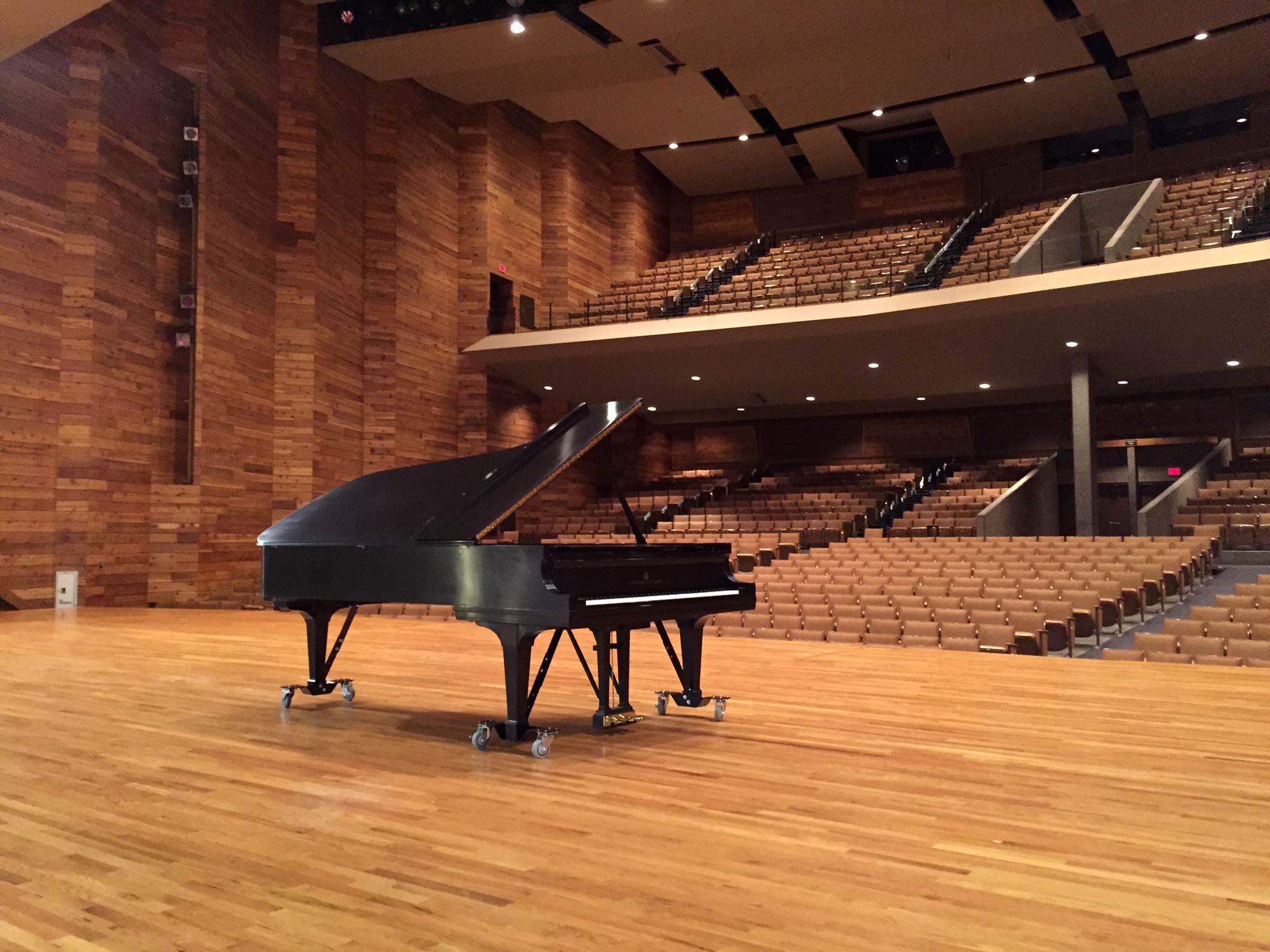
Recently Chupp's Pianos restored a Steinway & Sons Model D Concert Grand Piano for the Cheyenne Civic Center. The piano was carefully rebuilt and regulated by our expert piano technicians to bring back the iconic Steinway tone we all know and love. Tim Chupp recently traveled out to Cheyenne, Wyoming to make some finishing touches to the instrument in its new home. Attached below is a photo of the instrument sitting on the concert venue's beautiful stage.