




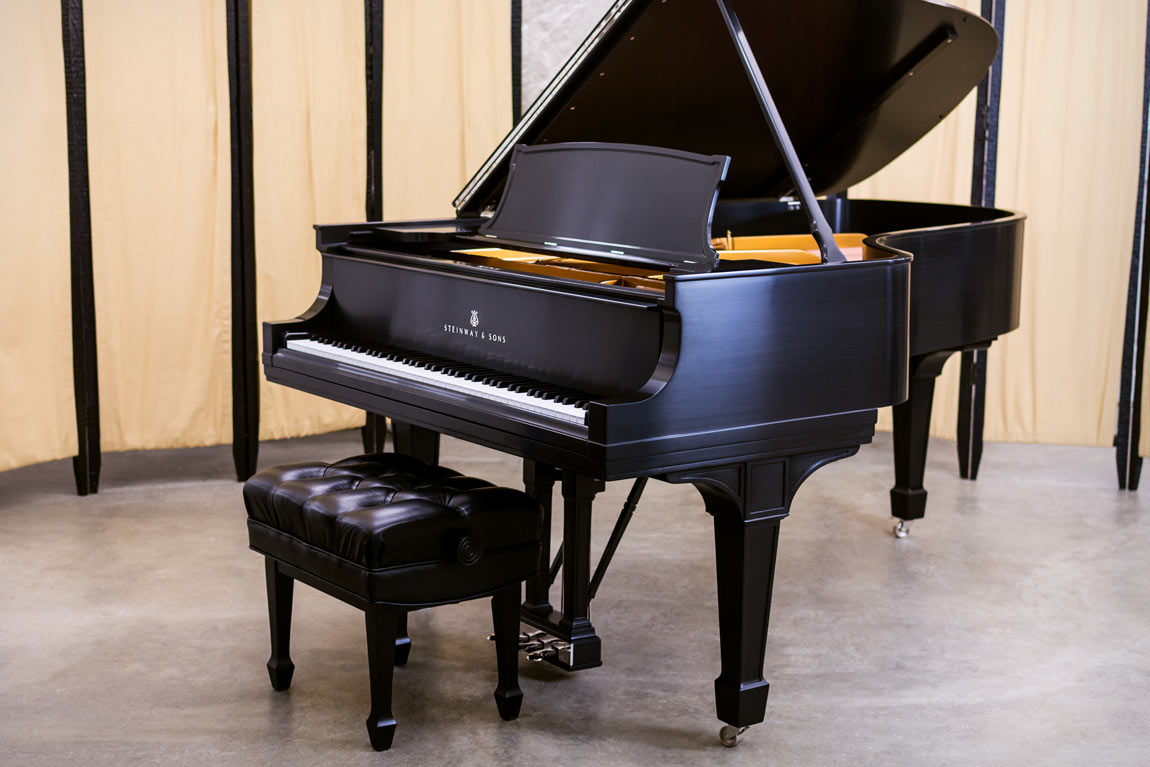
The Steinway Model B – “The Perfect Piano”
About the Steinway Model B Grand Piano
The First Model B Grands | 85 Notes
The Steinway & Sons Model B is considered by many to be a perfect balance of size and power making it a very versatile instrument. Measuring 6'11" in length, 58" in width and weighing well over 700 pounds these pianos are much larger than a Steinway Model S, M, or L. (And a bit larger than the somewhat comparable Model A-II.) The Model B 'Music Room Grand' was introduced in 1878 as a replacement for the piano that Steinway called the Monitor Grand. This instrument is considered to be the first modern piano ever built by Steinway. (The first several Model B pianos were built in the style of these Monitor Grands.) These early Model B Grands featured an 85 note keyboard and were offered in various art case cabinet styles. A capo d'astro bar was utilized in place of agraffes for notes 52 to 85. In 1891 #73212 the first Model B with an 88 note keyboard was introduced and in 1897 the Steinway factory in Hamburg, Germany began production of the Model B.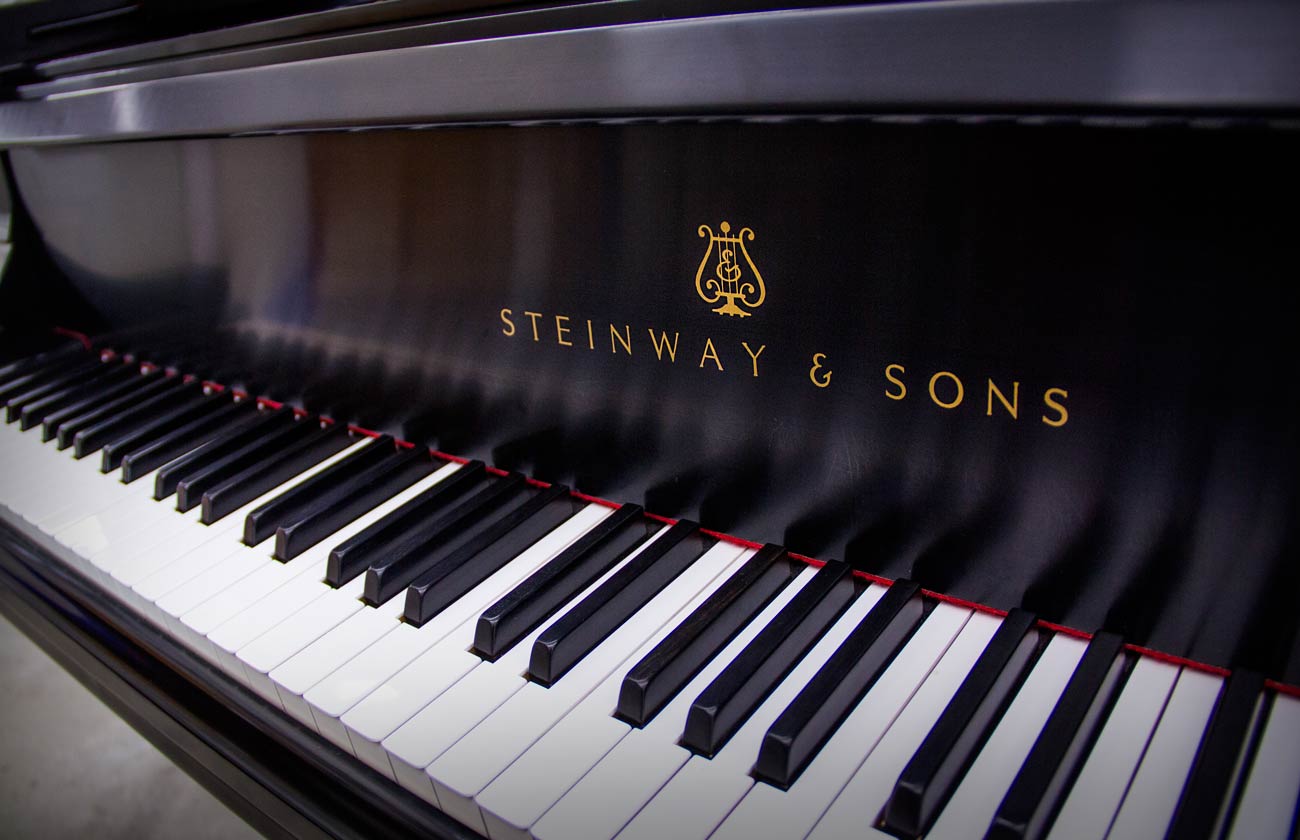
A Unique Steinway Model D Grand Piano
Model D #269017 | A Unique Steinway Piano
In the early 1980s, I had a long conversation with Fred Drasche the former head service technician at Steinway. As we discussed the history of Steinway and their instruments, he told me that around 1950, Steinway produced two Model D grand pianos with Western Red Cedar soundboards. The red cedar was used in place of the regular spruce soundboards. His words were "those were two of the best sounding Steinway Ds I ever heard." For many years, we here at Chupp's Pianos wanted to install a western red cedar soundboard. This goal was something which we were finally able to accomplish recently! Out of five pianos in which we installed western red cedar soundboards, Steinway Model D #269017 is the most powerful of them all. Some of the finest acoustic guitars incorporate western red cedar tops to obtain optimal tonal quality so utilizing this material in musical instruments is not uncommon. Attached is a link to more information about the piano and photos are embedded below.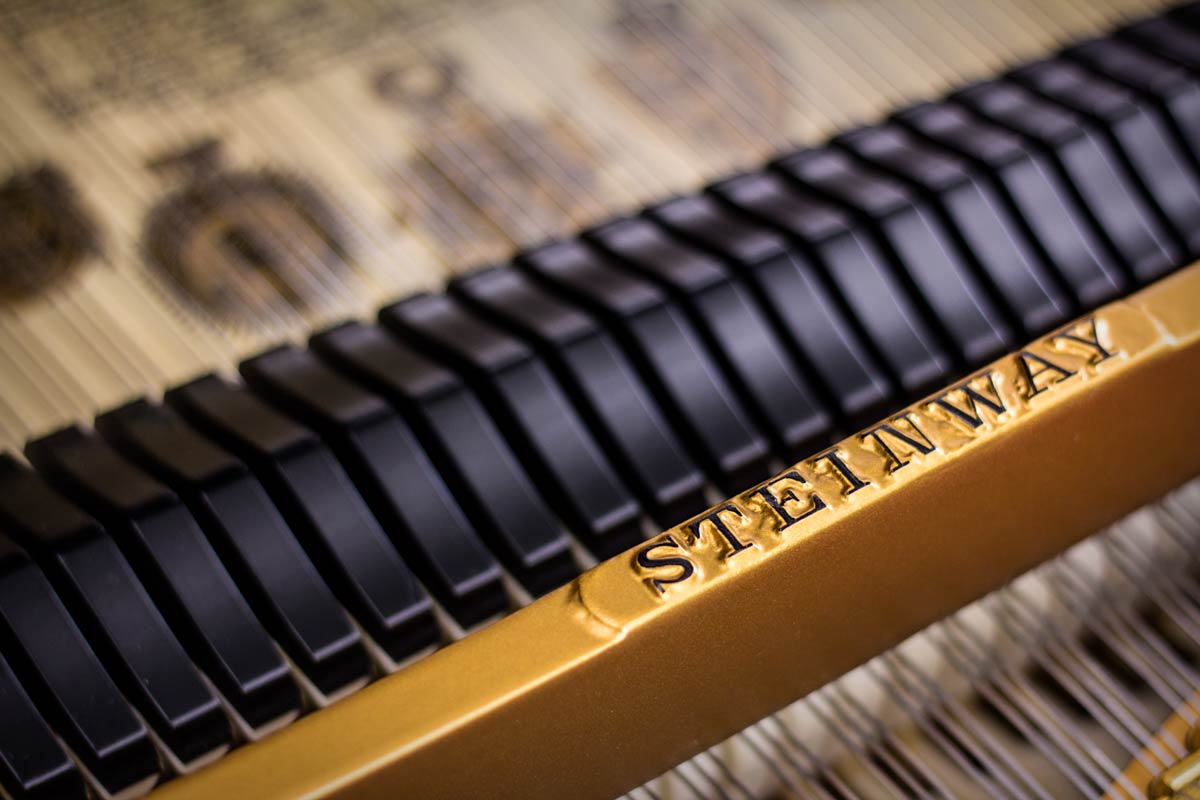
History of Steinway & Sons Pianos
Steinway & Sons | A Basic History
In the early part of the 20th century there were more than 300 piano manufacturers in the United States alone, churning pianos out of factories large and small at a rapid pace. A piano was THE luxury item that everyone wanted in their home. If you didn't have one already you wanted one and if you had one, you probably wanted to upgrade to a better one. Today, few of these companies remain in business, victims of changing taste and economic swings. However Steinway & Sons continues on. The Steinway name is everywhere. From the cabinets of living room baby grand pianos to the foremost concert venues in the world, the mention of Steinway still commands a deep respect for the instruments and the music artists create with them. Here is a basic history of this famed business.The Founding of Steinway:
The company was founded on March 5, 1853 by Henry Engelhard Steinway. An immigrant from Germany, he had already built 482 pianos by the time he founded the new company in New York, New York. His first Steinway & Sons piano sold to a local family for the price of five hundred dollars. The company grew rapidly. So rapidly that within a year he moved the business to a larger facility on Walker Street. By the 1860s a new factory housed the piano manufacturing and a workforce of 350 were producing over 1,800 pianos a year. In the early days of Steinway, new ideas and innovation were key to their success. The famed duplex scale, overstrung bass strings and many other industry changing designs were developed during this time. The Steinway piano did battle against other popular brands during this time, including Mason & Hamlin, Chickering and Sons and more. The company secured many awards at various trade fairs, which bolstered the reputation of the instruments. The Steinway name had been cemented as one linked to quality and new ideas.Expansion and the World War: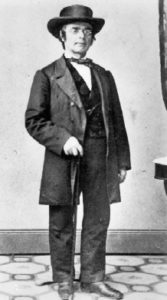
It was clear at that point that Steinway pianos were there to stay and the company continued to push through rapid growth. To reach the European market, William Steinway and C.F. Theodore Steinway built a factory in Hamburg, Germany in the year 1880. Hamburg Steinway Pianos share many of the same innovations and techniques as their New York brothers, and designers share ideas between the two factories. However there are differences that make these instruments unique and sometimes preferred by artists. Speaking of artists, in the early 1870s the Steinway artists program was born. This program where pianists are supplied the best Steinway & Sons pianos is a useful promotion for both the company and the artist themselves. (Other companies have utilized the same formula, but Steinway has had the most success by far.)
Chupp’s Restores Steinway Piano for Cheyenne Civic Center
Cheyenne Civic Center's Piano Ready for Upcoming Shows:
Recently Chupp's Pianos restored a Steinway & Sons Model D Concert Grand Piano for the Cheyenne Civic Center. The piano was carefully rebuilt and regulated by our expert piano technicians to bring back the iconic Steinway tone we all know and love. Tim Chupp recently traveled out to Cheyenne, Wyoming to make some finishing touches to the instrument in its new home. Attached below is a photo of the instrument sitting on the concert venue's beautiful stage.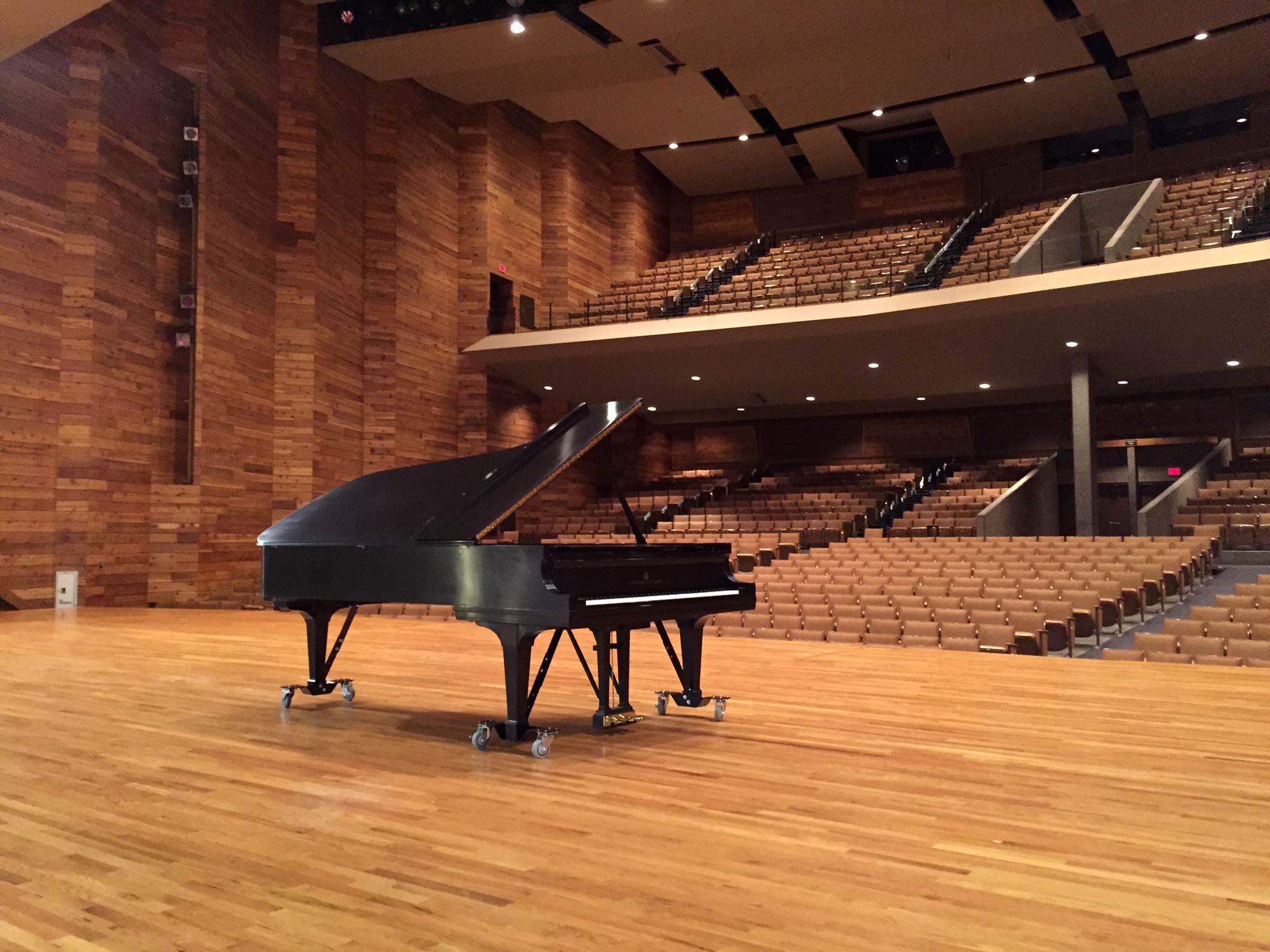

Schools Using Steinway
Steinway is one of the world’s widely-known and best-loved piano brands – it is synonymous with quality, craftsmanship, and the particular romance of piano music.
Steinway instruments have a reputation for being finely crafted, durable, and a treat for musicians of all skill levels. These qualities also make Steinway one of the most popular piano brands used in schools. Throughout the country and around the world, schools using Steinway pianos are teaching young musicians how to play, but also how to incorporate a fine instrument into their passion for creating music.
Learning with Steinway
Steinway instruments are so popular in the learning environment, many schools have decided to use the brand exclusively.…
Steinway Upright Pianos
What Makes a Steinway Upright Piano Different?
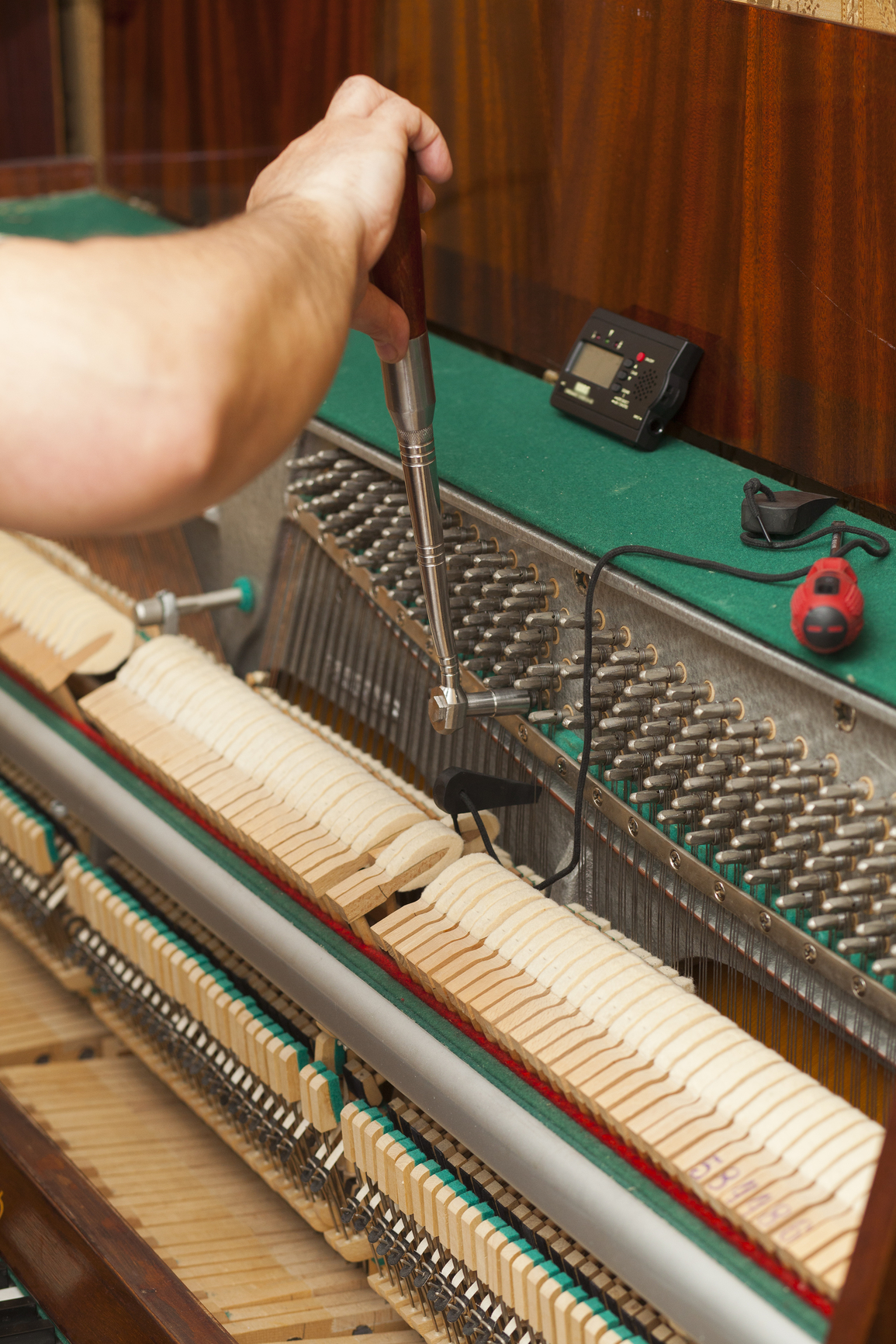
Steinway pianos are truly musical treasures. Properly restored, a Steinway upright piano grows more valued with time and becomes an integral part of your life and home.
Steinway is often what comes to mind when people think of the classic piano. For more than 150 years, Steinway has been the preferred instrument of those who know pianos. From piano teachers to famous musicians, Steinway is the piano of choice.
Over 90% of concert pianists perform on a Steinway
It is no accident accomplished musicians choose Steinway. The company is known for its craftsmanship and designs pianos that are essentially made by hand.…
Piano Care Tips
Controlling Humidity Levels
Humidity levels are crucial to the life of your piano, the stability of the tuning, and for prolonging the time in between tunings. 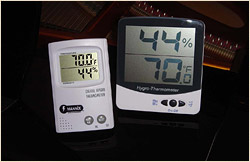 Humidity levels are also the cause of sticking keys. Too much humidity causes wood to swell and therefore can cause keys to stick but low humidity levels can also cause aggravating conditions such as sticking keys!
Low humidity is more likely present during the winter, however, during our current period of drought, it is important to watch our humidity levels closely. Low humidity cracks soundboards and other vital wood parts of your piano!
Proper humidity levels in your home, year-round, should be in the range of 40-52%.…
Toyko String Quartet Recording Featuring Pianist Jon Nakamatsu
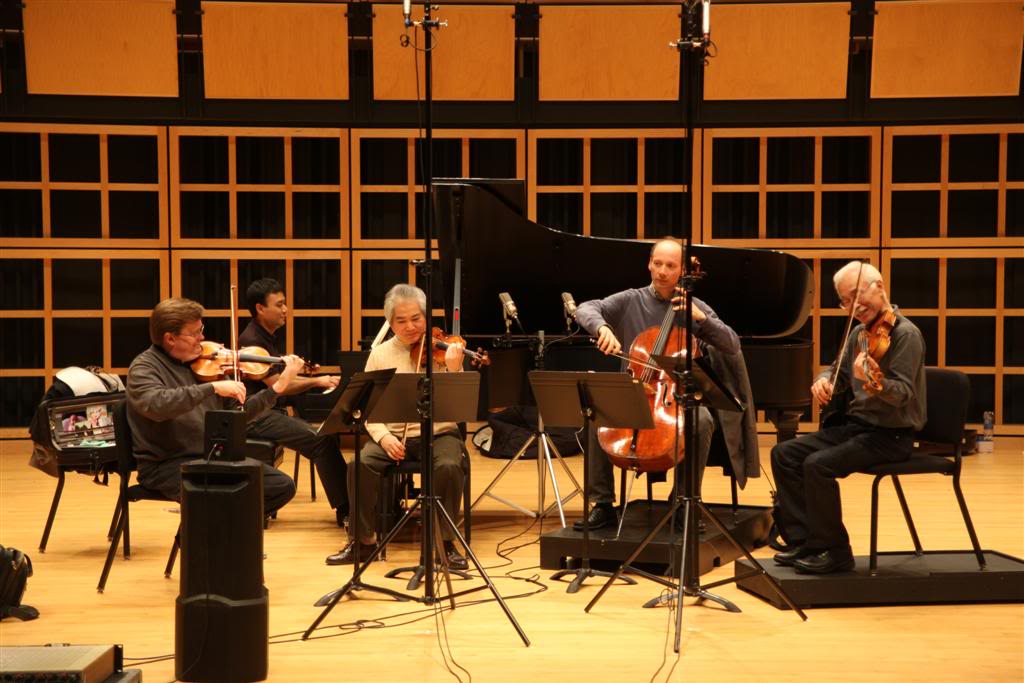 During the week November 14 the renowned Tokyo String Quartet, with guest pianist Jon Nakamatsu, began their latest recording with USA-harmonia mundi. The laureate pianist, Jon Nakamatsu, personally chose a Chupp’s Piano service restored Steinway D (#267275) concert grand from our Ft Wayne Selection Center to use during the recordings with the Tokyo String Quartet. This instrument is for sale!
During the week of recording, Dennis Chupp was the sole tuner and piano technician responsible for insuring the highest quality of concert tuning, tone and action responsiveness for pianist Jon Nakamatsu.
The internationally lauded, and critically acclaimed Tokyo String Quartet , consisting of Martin Beaver and Kikuei Ikeda (violins), Kazuhide Isomura (viola) and Clive Greensmith (cello), was founded in 1969 at the Julliard School of Music.…